
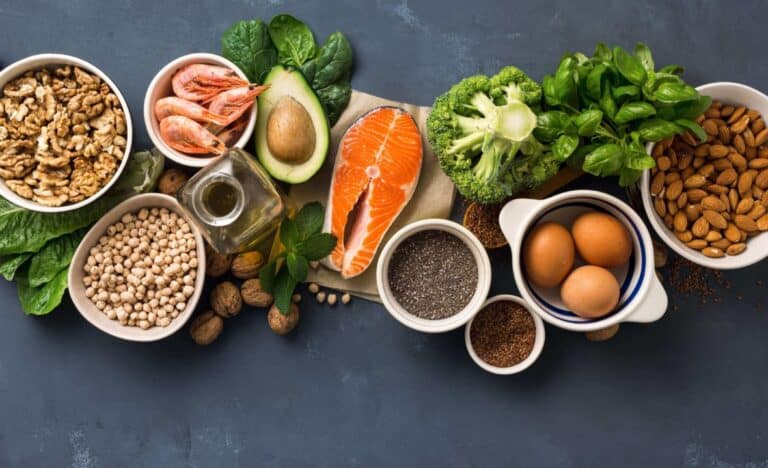
The Link Between Nutrition and ADHD
ADHD is a neurodevelopmental condition that affects focus, attention, and impulse control. While medication and behavioral therapy are common treatments, research shows that nutrition also directly impacts brain function, mood, and energy levels in children with ADHD.How Diet Impacts ADHD Symptoms
There’s often a clear, measurable connection between diet and ADHD symptoms:1. Blood Sugar Levels and Behavior
When blood sugar spikes and crashes—often caused by sugary or highly processed foods—children may experience irritability, lack of focus, and dips in energy.2. Brain Health and Neurotransmitters
The brain requires specific nutrients to function optimally. Nutrients support brain development, neurotransmitter regulation (particularly dopamine and serotonin), and cognitive function. These neurotransmitters are directly involved in mood regulation and can significantly impact behavior and focus in children with ADHD.3. Food Sensitivities
Certain food sensitivities or intolerances may exacerbate ADHD symptoms. Monitoring your child’s diet for any patterns between specific foods and changes in behavior can help you identify potential triggers.The Best Foods for ADHD Support
Food can be a powerful tool in managing ADHD. It’s not just about avoiding junk food—it’s about incorporating foods that bolster brain function and mitigate symptoms. These are some of the best foods for ADHD to help you make informed choices at every meal.Protein-Rich Foods
Protein helps regulate blood sugar and supports neurotransmitter production, both of which are important for children with ADHD. Try to include a source of protein in every meal and snack to help improve concentration and provide sustained energy. Best Sources:- Eggs
- Greek yogurt
- Nuts and seeds
- Beans and lentils
- Lean meats and poultry
- Nut butter
Omega-3 Fatty Acids
Omega-3 fatty acids enhance brain function and mood regulation, leading to better attention and reduced impulsivity. These essential fats improve cell membrane fluidity, facilitate smoother brain cell communication, and possess anti-inflammatory properties that support brain health. Best Sources:- Fatty fish (salmon, mackerel, tuna)
- Flaxseeds, hemp seeds, and chia seeds
- Walnuts and Brazil nuts
- Olive and canola oil
Complex Carbohydrates
Complex carbohydrates provide a steady source of energy, helping to stabilize mood and improve cognitive function throughout the day. They prevent the blood sugar spikes and crashes associated with simple carbohydrates. Best Sources:- Whole grains (brown rice, quinoa, oats)
- Whole grain bread and pasta
- Oatmeal
- Sweet potatoes
- Whole grain crackers
High-Fiber Foods
Fiber maintains a healthy gut, which is directly linked to brain health. It also promotes sustained energy and helps with digestion. Fruits and vegetables high in fiber can improve overall sleep quality, helping reduce hyperactivity and impulsivity. Best Sources:- Fruits (apples, berries, pears)
- Vegetables (broccoli, carrots, leafy greens)
- Legumes (chickpeas, black beans)
- Dried fruits (in moderation)
- Whole grains
Iron, Zinc, and Magnesium-Rich Foods
Iron deficiency has been linked to worsening ADHD symptoms. Zinc and magnesium support brain development and neurotransmitter function. These minerals are essential for cognitive function and can help reduce symptoms. Best Sources:- Iron: Spinach, lean beef, lentils, fortified cereals
- Zinc: Chickpeas, cashews, poultry, dairy products
- Magnesium: Pumpkin seeds, almonds, dark chocolate, leafy greens
Foods to Limit for Children with ADHD
Certain foods may aggravate ADHD symptoms in children:- Sugary Foods and Drinks: High-sugar snacks might provide a quick energy boost, but often lead to a crash, worsening attention issues.
- Artificial Food Dyes and Additives: Artificial dyes and preservatives commonly found in processed snacks and drinks can trigger hyperactivity in some children.
9 Tips to Encourage Healthy Eating in Children with ADHD
Many children with ADHD seem to be picky eaters. Here are some strategies to ensure a nutritious diet for kids with ADHD.1. Set a Consistent Schedule
Children with ADHD will benefit immensely from a strict routine. Ensure your child doesn’t stay hungry for long hours, or they often reach for easy-to-grab, unhealthy snacks.2. Explain Why Foods Matter
Kids are smart. Explain how foods affect their brain and body in age-appropriate terms. Try sharing that omega-3s help your brain send messages faster, or that protein helps you stay focused during math class. These ideas can be surprisingly effective.3. Get Creative
If your child doesn’t like certain healthy foods, try sneaking them in creatively. For instance, blend vegetables into pasta sauces or soups, or try giving them fresh strawberry milkshakes or apple juice instead of asking them to eat a whole fruit.4. Lead by Example
Setting an example for your child through your eating behavior will encourage them to try healthy foods. Eat meals together as a family when possible.5. Involve Your Child
Offer autonomy while keeping nutrition on track. Provide choices and let them help with meal planning and preparation to make the experience enjoyable and empowering. Children are often more likely to eat foods they helped choose or prepare.6. Make It Fun
Use cookie cutters to make fun shapes, create colorful plates, or give foods fun names. Even young children can wash vegetables, stir ingredients, or arrange items on a plate.7. Keep Healthy Snacks Visible
Stock your pantry with brain-healthy ADHD snacks your child can grab independently. Place healthy options at eye level in the refrigerator and pantry. Pre-cut vegetables, washed fruit, and portioned snacks remove barriers to healthy choices.8. Start Small
Introduce one new food at a time without pressure. It can take multiple exposures before a child accepts a new food. Keep offering without forcing.9. Honor Sensory Differences
Many children with ADHD have sensory processing differences that make certain textures, smells, or temperatures genuinely unpleasant. It’s not pickiness, it’s neurology. Work around preferences rather than against them.Simple Food Swaps for Children with ADHD
Creating an effective diet for ADHD kids doesn’t require special recipes or expensive ingredients. These are some of the best food swaps for ADHD that provide sustained energy and support overall brain health.| Instead of This | Try This | Why It’s Better |
| Sugary cereal | Oatmeal with berries and nuts | Provides protein, omega-3s, and sustained energy |
| White bread | Whole grain bread | Complex carbohydrates support stable blood sugar |
| Fruit juice | Fresh fruit in water | Reduces sugar, adds fiber |
| Candy or cookies | Greek yogurt with fruit | Adds protein and natural sugars |
| Potato chips | Nuts, seeds, or air-popped popcorn | Provides healthier fats and protein |
| Soda | Herbal tea, sparkling water, or infused water | Offers proper hydration without sugar/additives |
| Packaged snack cakes | Homemade oat bars or trail mix | Contains whole ingredients, no artificial additives |
| Instant pasta or mac and cheese | Whole grain pasta with real sauce or cheese | Offers complex carbs and real nutrients |
Building a Brain-Healthy Diet for Your Child
A balanced diet rich in whole foods and essential nutrients, along with minimizing processed foods and sugary snacks, can help support overall health in children with ADHD. With mindful food choices and healthy habits, you can provide your child with a strong foundation for managing ADHD symptoms and improving their quality of life.
Remember, dietary changes take time. Be patient with yourself and your child as you navigate this journey. Small, consistent changes often lead to the most sustainable results.
Need personalized guidance on the best foods for ADHD? Request an appointment with Abbey Neuropsychology Clinic today. Our team specializes in creating comprehensive treatment plans that address your child’s unique needs—including nutrition, behavioral strategies, and evidence-based interventions.
Frequently Asked Questions
Can diet replace ADHD medication?
A healthy diet is not a direct replacement for ADHD medication. However, a healthful diet may reduce symptoms of ADHD by reducing exposure to additives and improving the intake of micronutrients. Nutrition works best as a complementary approach alongside other interventions. Never discontinue medication without consulting your child’s provider.
Do food dyes cause ADHD symptoms?
Food dyes are not the cause of ADHD, but research suggests that artificial colors and additives can exacerbate symptoms—particularly hyperactivity—in some children with ADHD. If you suspect food dyes affect your child, try eliminating them for several weeks and monitor for changes in behavior.
What nutrient deficiencies are common in ADHD?
Lorem ipsum dolor sit amet, consectetur adipiscing elit. Ut elit tellus, luctus nec ullamcorper mattis, pulvinar dapibus leo.
Is gluten/dairy an issue for ADHD?
Gluten and dairy are not universally problematic for children with ADHD. However, some children may have sensitivities or intolerances that contribute to mood swings, irritability, or difficulty concentrating. If you suspect your child has a sensitivity, work with a healthcare provider to properly conduct an elimination diet.